Real cost of florist installations at Noak Hill Church events
Posted on 11/10/2026
If you are planning flowers for a church event in Noak Hill, the question is never just "what looks nice?" It is usually: what will this actually cost, what do we get for the money, and how do we avoid paying for extras we do not need? The real cost of florist installations at Noak Hill Church events depends on more than stems and ribbon. It includes design time, sourcing, mechanics, transport, setup, timing, and sometimes the quiet little complications that only show up on the day. A church aisle at 9 a.m. with candles, an arch, and late arrivals is a very different job from a simple front-table arrangement. This guide breaks it all down in plain English so you can budget properly and make calmer decisions.
Below, you will find a practical breakdown of how pricing works, what influences the final figure, where hidden costs tend to appear, and how to choose arrangements that feel appropriate for the setting. You will also find a checklist, a comparison table, and a realistic example so you can plan with confidence rather than guesswork. Because let's face it, guessing is expensive.
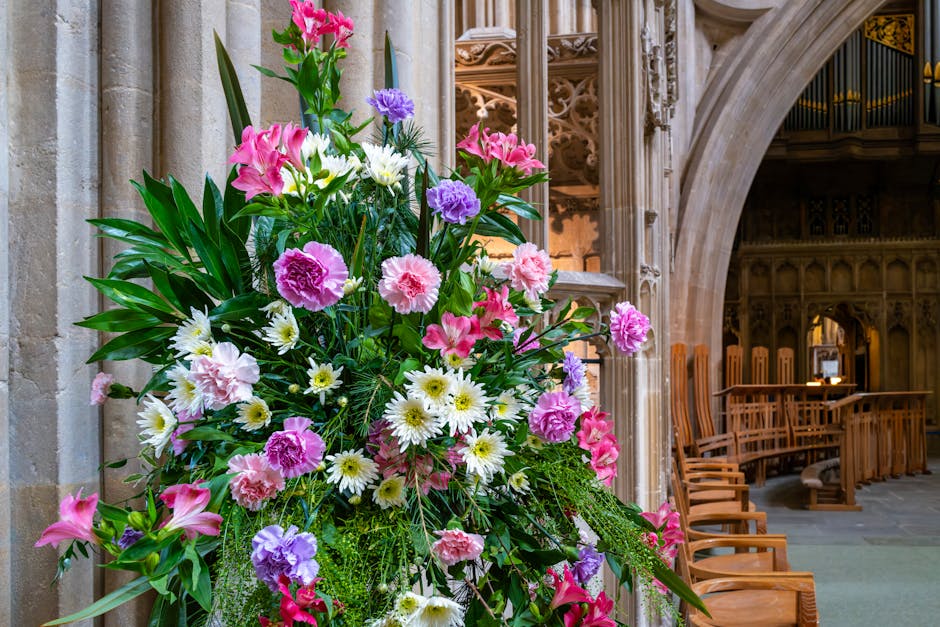
Why the real cost of florist installations at Noak Hill Church events matters
Flowers at a church event do a lot of work quietly. They shape the mood before anyone has even taken a seat. They soften hard lines, frame the altar or front area, and make photos feel finished instead of improvised. In a church setting, that matters because the surroundings are already meaningful. The flowers should support the occasion, not fight with it.
The real cost matters because event flower quotes can look similar at first glance while hiding very different levels of service. One florist may be quoting for delivery only. Another may include set-up, removal, vase hire, and venue-specific planning. If you are comparing estimates without understanding what is included, you can easily choose the cheapest-looking option and end up paying more later. That is one of those annoying truths nobody wants to hear, but it saves money.
For Noak Hill Church events, there is also the local reality of access, parking, time windows, and the pace of the day. Church venues often need quieter, more careful setup than a hotel or marquee. A team may need to arrive early, unload quickly, work around services or rehearsals, and leave the space tidy. All of that is part of the cost, even if it never appears in a neat line on the quote.
It also matters emotionally. A baptism, wedding, thanksgiving service, memorial, or anniversary event often carries personal weight. People do not usually want "a floral display." They want the right feeling. A thoughtful installation can help an event feel calm, respectful, and complete. The wrong one can feel overdone, underwhelming, or strangely out of place. You feel that immediately when you walk in.
For local customers comparing options, pages such as wedding flowers in Noak Hill RM3, funeral flowers in Noak Hill RM3, and the main Noak Hill florist service can help you understand the kinds of arrangements available for different church occasions.
How the real cost of florist installations at Noak Hill Church events works
Florist installation pricing is usually built from a few moving parts rather than one flat product price. If you want to understand the quote properly, it helps to think in layers.
1. Flower choice and seasonal availability
Different flowers have different price points, and that changes with season, supply, and the scale of the arrangement. Roses, lilies, hydrangeas, tulips, carnations, and mixed seasonal stems all behave differently in price and availability. A design built around out-of-season blooms may cost more because sourcing is harder or the florist has to substitute. In church work, florists often balance beauty with practicality, which is usually the sensible route.
2. Design complexity
A pair of pedestal arrangements is not the same as a full altar installation, entrance feature, pew ends, flower clouds, aisle pieces, and matching table florals. More parts means more labour, more materials, and more planning. You are paying for design thinking as much as for flowers. The flower itself may be only one piece of the puzzle.
3. Installation time and labour
If the team has to build the display on site, secure it safely, and work around church timing, labour increases. This is especially true when there is a narrow setup window, which happens more than people expect. Sometimes the smallest, tidiest arrangement is the most expensive per stem simply because it takes real skill to make it look effortless. Slightly unfair, but true.
4. Transport and handling
Delicate pieces need careful transport. Large arrangements may need special packaging, more than one vehicle, or extra people to carry them. If the venue has awkward access or limited unloading space, transport cost tends to rise. Churches can be charmingly old, but charmingly old buildings rarely make logistics easy.
5. Hire items and mechanics
Behind the scenes, installations often rely on floral foam alternatives, water sources, containers, stands, urns, frames, candle-safe bases, or reusable mechanics. These items may be hired or included in the package. Sometimes the quote looks higher because the florist is actually supplying better structure and more reliable mechanics rather than just flowers in a vase.
6. Removal and tidy-up
For one-off church events, removal matters. Some teams collect items after the event or next day. Others leave arrangements in place if agreed. Tidy-up can be a separate charge, especially for bigger installations. It is worth asking, because nobody enjoys being surprised by an extra line once the event is over.
In practical terms, the real cost is usually a mixture of product, labour, logistics, and risk management. The more bespoke the work, the more you should expect the florist to factor in preparation time rather than just flower stems. That is normal, and in good arrangements, it is worth it.
Key benefits and practical advantages
A good florist installation does more than look pretty for the first ten minutes. Done properly, it supports the event in several practical ways.
- It sets the tone instantly. Guests notice flowers before they read a programme or sit down.
- It photographs well. Clean, balanced installations give you better images without needing to over-edit later.
- It helps the space feel intentional. Even modest floral work can make a church setting feel prepared and cared for.
- It reduces stress on the day. When the flowers arrive, get installed, and simply work, that is one less thing to manage.
- It can be scaled sensibly. You do not need a vast display everywhere. A few well-placed pieces often do the job beautifully.
There is also a subtle practical benefit that people overlook: flowers can guide attention. At a church event, that might mean drawing the eye toward the altar area, marking the entrance, or creating visual unity between different parts of the ceremony space. It is a small thing. But you notice it.
For people who prefer choosing from structured ranges rather than starting with a blank page, pages like florist choice options and luxury flowers can be useful starting points when deciding how much to spend and what standard of finish you want.
Who this is for and when it makes sense
This kind of floral planning makes sense for anyone organising a church event where presentation, atmosphere, and smooth logistics matter. That includes couples planning a wedding service, families arranging a memorial or thanksgiving, church coordinators, event organisers, and people marking milestone moments such as baptisms, confirmations, anniversaries, or special community services.
It makes especially good sense when:
- the event has a focal point that needs framing
- guests will take photos indoors
- you want the church to feel welcoming without overdecorating it
- there is a clear colour palette or theme
- the event is personal and the flowers need to feel thoughtful
- setup time is limited and reliability matters more than bargain hunting
Truth be told, the "cheap and cheerful" route only works if the event is very simple. If you are trying to make a church service look polished, the cheaper option can become more expensive once you add extra stems, stronger mechanics, emergency changes, or a second delivery. That is why a clear brief beats a vague one.
For weddings and commemorative events specifically, it can help to browse relevant product categories like wedding collections or funeral arrangements so you can see the difference in scale, tone, and structure before requesting a quote.
Step-by-step guidance
If you want a realistic figure rather than a guessing game, use this process. It is simple, but it works.
- Define the event type. Is this a wedding, memorial, baptism, anniversary, or community service? The tone changes the flower style.
- Map the spaces. Note the entrance, aisle, altar or front area, side tables, and any photo points.
- Decide what actually needs flowers. Not every corner needs something. A few strong placements usually outperform scattered small bits.
- Choose the visual style. Think modern, classic, traditional, soft, elegant, seasonal, or understated.
- Set a working budget. Decide the amount before looking at too many options. Otherwise you will fall in love with the expensive one. Happens every time.
- Ask what is included. Check whether delivery, installation, removal, vases, stands, and consultation are part of the price.
- Confirm timing. Church events often run to a schedule. Setup and collection windows must fit that schedule.
- Review substitutions policy. If a flower is unavailable, ask how the florist handles alternatives.
- Check care and longevity. You want flowers that still look fresh through the actual event, not just at delivery.
- Sign off the brief. A short written summary avoids misunderstandings. Simple, not fancy.
If you are choosing between delivery-led and full installation-led service, pages like delivery information and flower delivery in Noak Hill RM3 are useful for understanding how flowers get from workshop to venue.
Expert tips for better results
The easiest way to get better value is not always to spend more. Often it is to be clearer, smarter, and a bit more disciplined with the brief.
Start with the focal points. If the church has one strong front area and a welcoming entrance, concentrate your budget there before adding extras. It gives better visual impact than spreading money thinly across too many spots.
Use seasonal flowers where possible. Seasonal stems usually offer a better quality-to-cost balance. They also tend to look more natural in the room. A winter service with generous whites, greens, and textured foliage often feels calmer than trying to force an out-of-season palette.
Ask for "design value," not just stem counts. A skilled florist can sometimes create a fuller-looking arrangement using fewer, better-chosen elements. This is where experience matters. More flowers is not always more beautiful.
Keep the palette tight. Two or three main colours are usually enough for a church installation. Too many shades can start to feel busy, especially in a traditional interior.
Be honest about the budget. Florists can only help properly if they know the real limit. There is no prize for being mysterious. In our experience, clear budgets lead to better designs because the florist can suggest the right scale from the start.
Plan around the building, not just the event. Stone walls, high ceilings, narrow aisles, dark wood, natural light, and altar height all affect how flowers read in the space. What looks huge in a workshop can look quite modest inside a large church.
Think about scent carefully. Strong fragrance can be lovely for some events and overwhelming for others. In a smaller church, even a beautiful scent can become too much if the room is warm and closed. Mild, thoughtful placement usually wins.
Use one small rehearsal of sorts. If there is a major event, walk through the venue plan mentally and imagine the flowers being set up at 7:30 a.m. in cool light, with chairs stacked, side doors open, and people moving about. That little picture often reveals what needs to change.
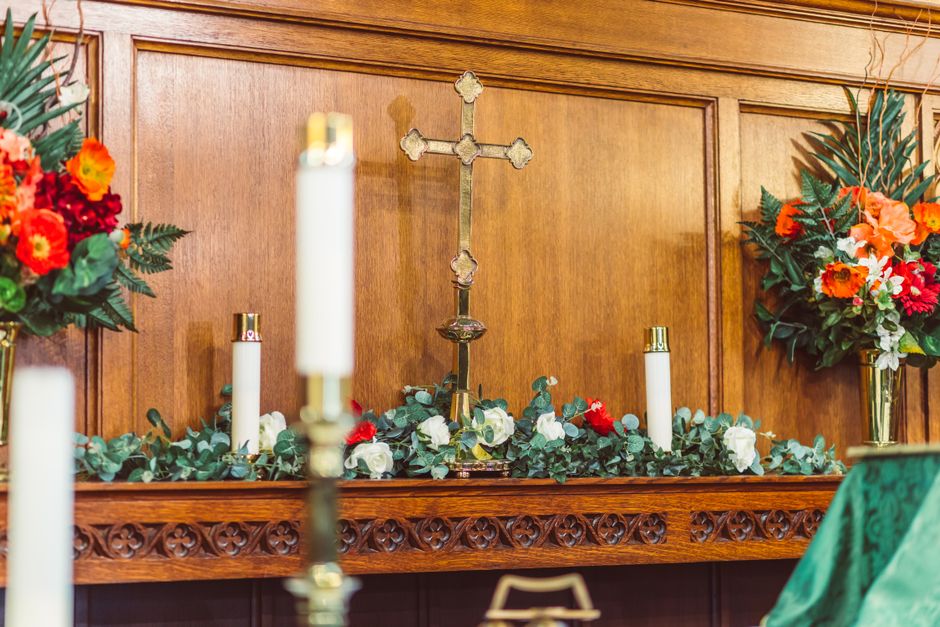
Common mistakes to avoid
Most budget problems with florist installations come from not asking enough questions early on. A few mistakes repeat again and again.
- Choosing on headline price alone. A lower quote can exclude setup, mechanics, or collection.
- Not measuring the space. Without rough dimensions, the florist has to guess scale.
- Overloading the brief. Too many colours or too many ideas can push costs up fast.
- Ignoring access issues. Narrow entrances, stairs, limited parking, and no loading bay all affect labour.
- Leaving timing until the last minute. Church schedules can be tighter than people expect.
- Forgetting weather and temperature. Warm rooms, direct sun, and cold entrances can all affect how long flowers last.
- Not asking about substitutions. If one bloom becomes unavailable, you should know what happens next.
A smaller but common mistake: assuming all "installation" quotes mean the same thing. They do not. One florist might mean a delivered arrangement placed near the entrance. Another might mean a coordinated design package across several points in the building. Those are very different jobs.
Tools, resources and recommendations
You do not need specialist software to plan church flowers, but a few simple tools make a real difference.
- A basic floor plan or rough sketch. Even hand-drawn is fine. Mark key areas and note approximate distances.
- Photos of the church space. Take pictures from the entrance, aisle, and front area. Natural daylight helps.
- Colour references. A few sample images are better than broad words like "elegant" or "pretty."
- A clear event schedule. Setup time, service time, and any collection deadline should all be written down.
- A budget range. A range gives the florist room to suggest sensible options without overengineering things.
For style inspiration, it can also help to look at floral categories that match the mood you want. For example, softer palettes may be easier to build from white flowers, while warmer church schemes can work well with mixed colour arrangements. If you are trying to keep costs sensible, budget-friendly flowers can be a useful reference point too.
Practical summary: the best planning tool is a good brief. A brief that explains the event, the venue, the timing, the mood, and the money available will usually get you a much better result than a long, vague email sent late on a Friday. Small effort, big difference.
Law, compliance, standards, or best practice
For church events, the main concerns are usually not complex legal issues, but sensible best practice and venue respect. That said, there are a few areas worth keeping in mind.
Venue permission and access: Always confirm what the church allows, where installations may be placed, and who is responsible for final approval. Some spaces have restrictions around candles, adhesives, floor fixings, or placing items near historic fixtures.
Health and safety: Stands, heavy urns, cords, and wet surfaces should be handled carefully. Floral installations should not create trip hazards or block exits. This is standard common sense, but it is worth stating plainly.
Fire safety and decoration rules: If the church has guidance on candles, fabrics, foliage, or positioning near heat sources, follow it. Smaller spaces and older buildings can be more sensitive to these details than people think.
Data and booking terms: If you are paying a deposit or giving personal information for delivery and invoicing, check the florist's terms and privacy information. On a practical level, pages like terms and conditions, privacy policy, payment information, and guarantees help set expectations clearly.
Sustainability best practice: Many customers now prefer florals that reduce waste, reuse mechanics where possible, and avoid unnecessary packaging. If that matters to you, you can review the florist's sustainability approach before booking. It is not about perfection; it is about making better choices where practical.
Good practice in this area is really about reducing surprises. No one wants a beautiful arrangement that blocks a doorway or arrives after the choir has started. Planning is half the job.
Options, methods, or comparison table
Here is a simple way to compare common approaches to florist installations for church events. The right choice depends on budget, formality, and how much visual impact you want.
| Option | Typical use | Strengths | Limitations |
|---|---|---|---|
| Simple delivered arrangements | Small services, tight budgets, modest presentations | Lower cost, quick to arrange, easy to place | Less dramatic, limited impact in larger spaces |
| Key-point installations | Weddings, memorials, milestone services | Strong visual focus, good value, balanced finish | Needs clear planning and timing |
| Full venue styling | Larger ceremonies or more formal events | Very polished, cohesive, memorable | Higher labour, more logistics, higher total cost |
| Seasonal mixed packages | Flexible events and customers wanting value | Good balance of price and aesthetics, adaptable | Specific blooms may vary if availability changes |
If you want the most efficient spend, key-point installations often give the best return. They focus effort where it will be seen most. Full venue styling can be wonderful, but only if the event justifies it. A lot depends on how the church space is used and how many guests are coming.
Case study or real-world example
Picture a late-morning church service in Noak Hill. The family wants the front area to feel warm and respectful, but they do not want the church overwhelmed by flowers. They also need the setup completed before early arrivals begin to filter in.
The florist suggests a simple front arrangement, two matching side pieces, and small accents near the entrance. Rather than chasing rare flowers, the design uses seasonal whites and soft greens with a few fuller focal blooms. The overall look feels calm, clean, and appropriate. It photographs nicely in the morning light, which matters more than people think. The church does not feel like a wedding showroom, and that is the point.
Now the practical part: the final cost is not just flowers. It includes consultation, design, material selection, delivery, setup, and a collection plan. If the team had added extra aisle pieces and a more elaborate entrance feature, the price would have climbed quickly because of the additional labour and materials. The family did not need that. They needed a dignified atmosphere, and they got it.
That kind of event is a good reminder that value is not the same as size. Sometimes the best choice is the one that feels quietly right when you walk into the room. You know it when you see it.
For customers wanting to explore similar tone and scale choices, browsing best sellers or flower garland styles can help narrow down what suits a church setting without overcomplicating the process.
Practical checklist
Use this checklist before confirming the booking. It keeps the conversation useful and saves time later.
- Have you identified the event type and tone?
- Do you know exactly which parts of the church need flowers?
- Have you set a realistic budget range?
- Do you know what the quote includes and excludes?
- Have you confirmed delivery and setup times?
- Does the florist know about access, parking, stairs, or narrow entrances?
- Have you shared colour preferences and any flowers to avoid?
- Are there church rules about candles, fixings, or placement?
- Have you asked about substitutions if certain stems are unavailable?
- Do you know whether removal or collection is included?
- Have you asked how the arrangements will hold up through the event duration?
- Is there a single person responsible for final approval on the day?
Quick decision tip: if you are unsure whether to cut the budget or increase it, first reduce the number of separate display points, not the quality of the main focal arrangement. That usually protects the overall feel better.
Conclusion
The real cost of florist installations at Noak Hill Church events is not just about flowers. It is about planning, labour, timing, access, design judgement, and how much value you place on the atmosphere of the day. A well-planned installation can make a church event feel dignified, welcoming, and beautifully held without wasting money on unnecessary extras.
If you remember only one thing, let it be this: ask what is included, match the design to the building, and spend first on the areas people will actually notice. That approach usually gives the best outcome, both visually and financially. And honestly, it makes the whole process feel a lot less stressful.
Get a free quote today and see how much you can save.
When you choose carefully, the flowers do more than decorate a room. They quietly help carry the moment. That is worth getting right.
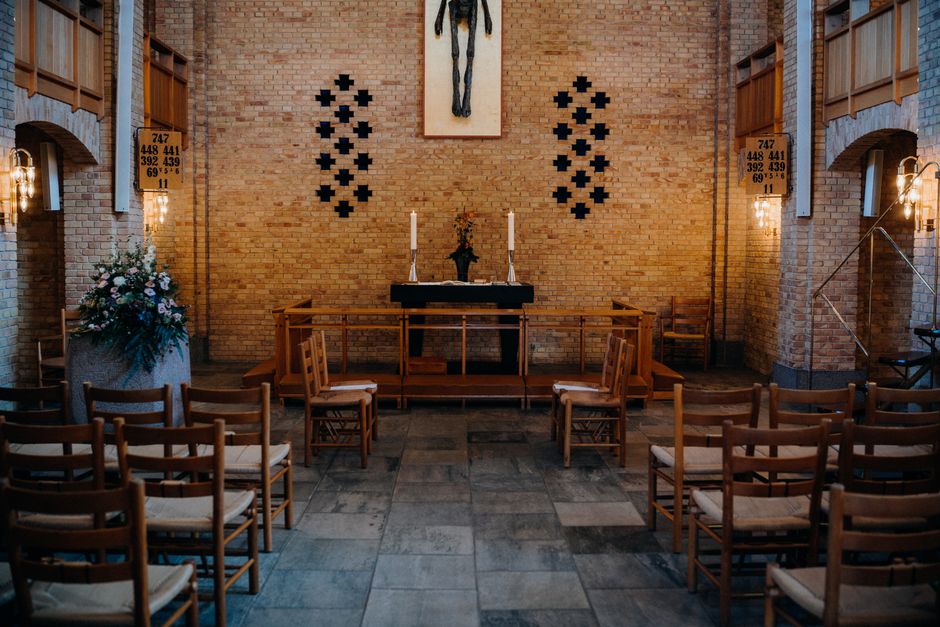
Frequently Asked Questions
How much do florist installations for Noak Hill Church events usually cost?
The cost varies widely depending on the size of the event, the flowers used, the amount of setup required, and whether removal is included. A simple arrangement can be very different from a full church installation. The best way to get a meaningful figure is to request a quote based on the actual venue layout and event timing.
What affects the price most?
The biggest factors are usually design complexity, flower choice, labour, transport, and whether the florist needs to work within a tight church schedule. If the church has difficult access or the design includes several focal points, the price can rise because the work is more involved.
Are church event installations more expensive than standard flower delivery?
Usually, yes. Standard delivery often covers a bouquet or boxed arrangement with minimal handling, while installations involve planning, setup, and sometimes removal. You are paying for a service, not only the flowers themselves.
Can I reduce the cost without making the event look cheap?
Yes. Focus on one or two strong display points, use seasonal flowers, and keep the colour palette simple. That usually gives a polished look without spreading the budget too thin. It is often better to have fewer, stronger arrangements than lots of small ones.
Do florists usually include installation and collection in the quote?
Not always. Some include full setup and removal, while others charge those items separately. Always ask what is covered before confirming. A clear quote is much easier to compare than one with missing pieces.
How far in advance should I book floral installations for a church event?
As early as you reasonably can, especially for weddings or memorial services with specific timing needs. Early booking helps secure the best flowers, gives time to refine the brief, and reduces last-minute stress. To be fair, the calm start helps everything later.
What if my chosen flowers are not available?
A good florist should suggest suitable substitutions that keep the look and budget on track. Ask about this before booking so you know how changes will be handled. Seasonal flexibility is often the safest route.
Are there any church rules I should check first?
Yes. Churches may have guidance on candles, placement, adhesives, floor protection, and access times. Some venues are more sensitive than others, especially older buildings. Confirm the rules early so the design works with the space, not against it.
Do floral installations need special care during the event?
Usually not much, but placement matters. Keep arrangements away from heat, direct sun, and busy walkways where they might get knocked. If the event is long, ask the florist how the flowers are expected to perform over time.
What is the best style for a church event in Noak Hill?
It depends on the event. Weddings often suit elegant, balanced designs with a clear focal point. Memorial services usually need something more restrained and respectful. Community and seasonal services may work well with softer, more flexible arrangements. The church itself also influences what feels right.
Should I choose a florist based on price alone?
No. Price matters, but so does reliability, experience with venue work, and clarity about what is included. A quote that looks cheaper can become more expensive if setup, delivery, or collection are added later. The safest choice is the one that feels clear and complete.
Can I use the same florist for different types of church events?
Yes, and that can be very helpful. A florist who understands both celebratory and memorial settings can adjust tone appropriately. Consistency also helps if you want the same style family members or church groups recognise over time.